is here! Shop now, pay later in 4 easy installments


Understanding Arthritis in Pets: A Helpful Overview for Pet Owners
Arthritis is a common condition affecting many pets, particularly as they age. Just like in humans, arthritis in pets can cause pain, stiffness, and reduced mobility, significantly impacting their quality of life. Understanding the signs, causes, and management options can help pet owners support their animals and keep them comfortable for longer.
Pets with Arthritis need a little extra care!
-

What Is Arthritis?
Arthritis refers to inflammation of the joints. The most common form seen in pets is osteoarthritis, a degenerative joint disease where the protective cartilage cushioning the joints gradually wears down. As this cartilage deteriorates, bones can rub against each other, causing pain, swelling, and reduced movement. Arthritis can affect dogs, cats, horses and other animals.
-

Causes of Arthritis in Pets
Several factors can contribute to the development of arthritis in pets, including:
- Ageing: Wear and tear on joints over time is the most common cause.
- Genetics: Certain breeds are more prone to joint issues.
- Previous injuries: Fractures, ligament damage, or joint trauma can increase the risk.
- Obesity: Excess weight puts added stress on joints.
- Developmental conditions: Issues such as hip or elbow dysplasia can lead to early-onset arthritis.
-

Signs and Symptoms to Watch For
Arthritis can develop gradually, so symptoms may be easy to miss at first. Common signs include:
- Limping or lameness
- Stiffness, especially after rest or in cold weather
- Difficulty standing, sitting, or lying down
- Reluctance to jump, run, or climb stairs
- Decreased activity or interest in play
- Changes in behaviour, such as irritability or withdrawal
- In cats: reduced grooming, difficulty using the litter tray, or sleeping more
-

How Arthritis Is Diagnosed
A veterinarian will usually diagnose arthritis through a combination of:
- Physical examination and joint manipulation
- Review of your pet’s history and symptoms
- X-rays or other imaging to assess joint changes
- Early diagnosis can make a significant difference in managing the condition effectively.
-

Managing Arthritis in Pets
While arthritis cannot be cured, it can be managed successfully with the right approach. Treatment plans are often tailored to each pet and may include:
- Veterinary Medications
- Weight Management
- Joint Supplements
- Comfort at Home eg. supportive bedding, ramps, non-slip mats
- Complementary Therapies such as physiotherapy, hydrotherapy or acupuncture.
-

What impact does your pet's weight have on arthritis?
Your pet’s weight plays a major role in arthritis and joint health.
- Extra weight puts added strain on joints, increasing wear and tear on cartilage and worsening inflammation.
- Overweight pets often show arthritis symptoms earlier, and their pain tends to be more severe.
- Every extra kilo increases joint pressure, especially on hips, knees and elbows.
- Maintaining a healthy weight can significantly reduce pain, improve mobility, and slow the progression of arthritis.
- Weight loss is one of the most effective non-medication treatments for managing arthritis in pets.
- Extra weight puts added strain on joints, increasing wear and tear on cartilage and worsening inflammation.


Explore our range of Arthritis & Joint Supplements
-
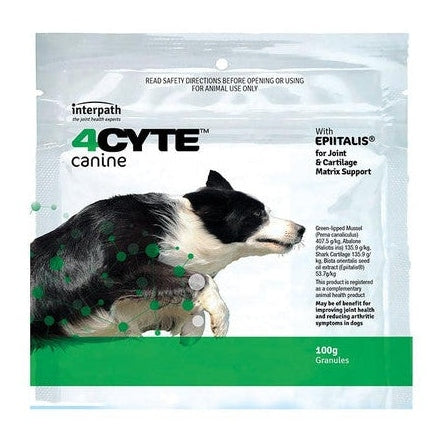
4CYTE CANINE SACHET
Regular price From $45.10 AUDRegular price -
4CYTE DOG EPIITALIS GEL
Regular price From $36.30 AUDRegular price -
4CYTE EPIITALIS FORTE CAT 50ML
Regular price $44.25 AUDRegular price -
4CYTE EPIITALIS GEL
Regular price From $170.00 AUDRegular price