is here! Shop now, pay later in 4 easy installments


Parasite Control in Animals: An Overview for Horses, Cattle, Sheep & Goats
Parasite control is a vital part of maintaining the health, comfort, and productivity of animals. Internal and external parasites can cause anything from mild irritation to serious illness, weight loss, and long-term health issues if left unmanaged. Horses, cattle, sheep, and goats all face parasite challenges, but effective control programs can greatly reduce their impact.
Parasite control isn't one-size-fits-all!
-

Why Parasite Control Is Important
Parasites feed on your animal’s nutrients, blood, or skin, placing stress on their immune system. Heavy parasite burdens can lead to:
- Weight loss and poor growth
- Reduced milk production or performance
- Anemia and weakness
- Digestive upsets and scouring
- Skin irritation and secondary infections
- Increased susceptibility to other diseases
Young animals, elderly animals, and those under stress are particularly vulnerable.
-

Common Types of Parasites
Common Internal Parasites include:
- Roundworms
- Strongyles
- Lungworms
- Tapeworms
Common External Parasites include:
- Lice
- Mites
- Ticks
- Fleas (less common in livestock but possible)
-

Managing Parasite Resistance
One of the biggest challenges in parasite control today is resistance to wormers. Overuse or incorrect use of treatments can make parasites harder to control over time.
To help reduce resistance:
- Use treatments only when needed
- Rotate active ingredients where appropriate
- Avoid under-dosing
- Work with a veterinarian or animal health professional.


Explore our Range of Parasite Prevention
-
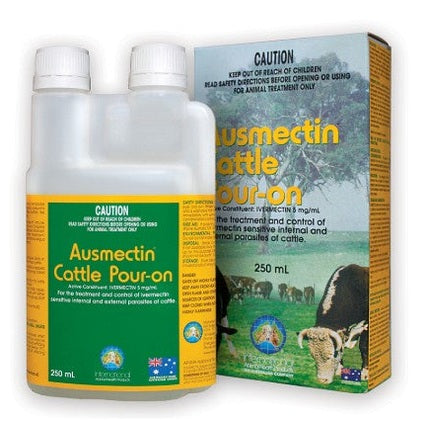
AUSMECTIN CATTLE POUR ON 250mls
Regular price $68.72 AUDRegular price -
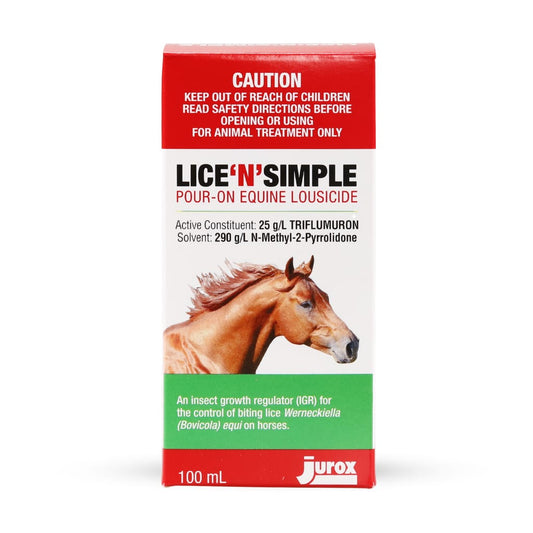
LICE 'N' SIMPLE
Regular price $61.25 AUDRegular price